A Life Shaped by Land, Service, and Quiet Strength
I see Duane Pillsbury as the kind of man who never needed a spotlight to leave a mark. He was born on June 17, 1929, in Omaha, Nebraska, and lived to the age of 91, passing away on September 16, 2020. His life moved through several strong identities at once: Army captain, rancher, artist, conservation supporter, husband, father, and steward of animals and open land.
That blend made him unusual, but not in a loud way. His story feels like a river that kept carving the same valley for decades, steady and purposeful. Duane Pillsbury was not known for a splashy public career built on noise. He was known for substance. He worked with animals, lived among them, studied them, and turned that closeness into art and conservation work that reflected patience and discipline. His public legacy is tied closely to ranch life in California, especially in Lakeside, where he and his family built a world centered on horses, livestock, wildlife, and the practical beauty of daily work.
Joan Embery and the Marriage That Became Part of His Public Story
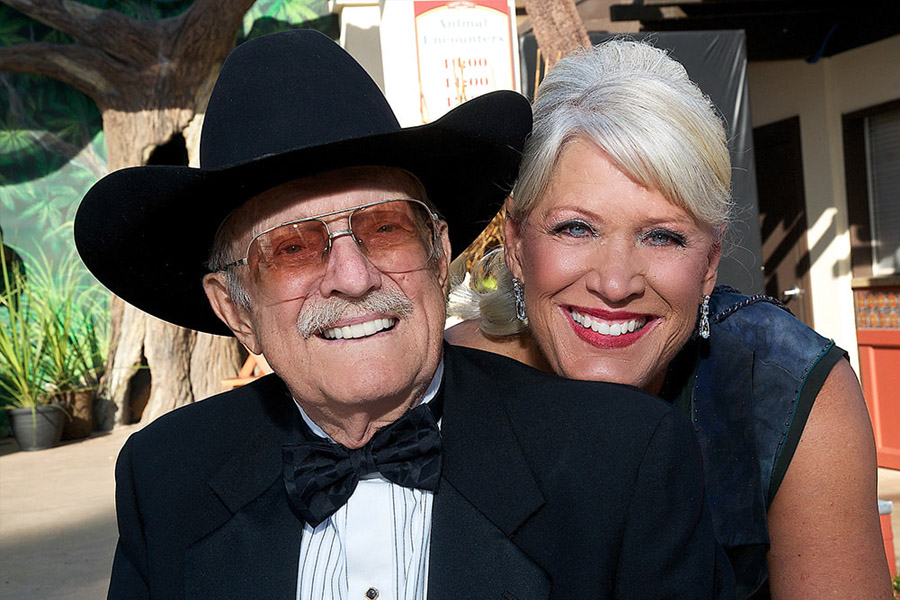
His marriage to Joan Embery was his most public connection. They were married over 42 years, and it shaped their public lives. Joan Embery was more than his spouse. She was his partner in conservation, travel, ranch labor, and animal activism.
Their relationship also has a strong family basis. Duane met Joan through equestrian circles with one of his children. This lends the story a human touch. It suggests a familial network involved in horses, riding, and communal life before the marriage became more permanent.
Joan and Duane established a beat. He traveled with her and appeared on TV while she gained fame. However, the partnership was mutual. Joan calls him a devoted husband, greatest friend, and soulmate. That language counts. It displays their profound personal link underlying the ranch identity and public actions.
The Family Members Connected to Duane Pillsbury
When I trace Duane Pillsbury’s family life, the known names are few but meaningful. The public record reveals a close circle, and each person helps frame the larger picture of who he was.
Joan Embery, wife and life partner
Joan Embery was Duane Pillsbury’s spouse and the most prominent person in his adult family life. Their marriage linked ranch life with animal conservation and public outreach. She worked in wildlife education and public appearances, while he helped sustain the home base that made much of that work possible. Their life together was not ornamental. It was built like a working fence line, sturdy and shared.
Two daughters
Duane Pillsbury had two daughters. Public information does not name them, but they are still important to his story. One of them played a direct role in bringing Duane and Joan together. That one detail opens a window into the family atmosphere around him. It suggests daughters who were close enough to be part of the social and equestrian world that shaped the family’s relationships.
I cannot give their names because the available public material does not identify them, but I can still say that they were part of the foundation of his personal life and helped connect him to the next chapter of his story.
Warren Howard Pillsbury, father
Duane’s father was Warren Howard Pillsbury. He appears in genealogical records as part of the family line that carried the Pillsbury name through earlier generations. Even though the public details are limited, the father’s presence matters because it places Duane within a broader family history that began long before the ranch years and the conservation awards. A father is often the first architecture of a life, and Warren Howard Pillsbury was part of that structure.
Hazel Belle Showalter True, mother
Duane’s mother was Hazel Belle Showalter True. Her name gives another layer to the family line, connecting Duane to the maternal branch of the family tree. In biographies like this, mothers often remain just beyond the public frame, but they are still essential. Hazel Belle Showalter True belongs to the root system of Duane’s life, the hidden support beneath the visible branches.
Dale Reed Pillsbury, sibling
A younger sibling, Dale Reed Pillsbury, is also part of the family record. Dale died in infancy, which gives his place in the story a brief and tender weight. Even short lives are part of family memory. His presence reminds me that family histories are not only built from the people who become public figures. They are also shaped by the ones whose lives were brief but still part of the record.
Career, Work, and the Craft of a Practical Artist
Duane Pillsbury’s career was varied. He lived at the crossroads of art and land, giving his work a unique texture. His early wood carvings featured horses, livestock, and cowboys. His work later included bronze, gold, and silver. Imagine his world and that progression feels normal. Metal requires patience and power, while wood is warm and immediate. His work on both shows he understood content like a rancher does weather.
Longtime animal contact influenced his paintings. His eye was refined by 30 years of living and working with domestic and wild animals. He didn’t create remotely. He made from familiarity. Besides being a subject, he knew horse shapes daily. He understood cow stance, wildlife alertness, and animal physical honesty.
Equally vital was his ranch job. Ranch life and sculpture seemed to share soil at Pillsbury Land & Livestock Co. in Lakeside, California. He ran a neighborhood riding club and showed horses and livestock. Though not glamorous in movies, that work is rich in real life. Care, constancy, and a profound grasp of living things are needed.
Duane went extensively to study animals in their native habitats. He visited Kenya, Tanzania, Rwanda, India, Nepal, Thailand, Australia, Indonesia, Mexico, and the Amazon. His excursions certainly broadened his understanding of movement, form, and habitat. Researching animals in the field makes art more like memory than imitation.
The 2011 San Diego Zoo Wildlife Alliance Conservation Medal with Joan Embery was one of his most public accomplishments. That award recognizes conservation values and personal work. He then became CFO and Vice President of the Embery Institute for Wildlife Conservation, proving his effort was not symbolic. Animal protection and education were also his organizational role.
Public Life, Finances, and the Practical Side of the Story
Duane Pillsbury’s financial footprint in the public record appears mostly through the nonprofit world rather than through private wealth reporting. He was connected with the Embery Institute for Wildlife Conservation, where filings listed him in leadership roles and showed no compensation in the years that were publicly available. That detail suggests a life where mission mattered more than personal income from the organization.
In that sense, his public financial story is modest and disciplined. It fits the larger portrait. He seems to have worked within a practical framework, supporting the ranch, the institute, and the conservation mission without making money the center of the narrative. That restraint gives the story a clean, grounded tone.
FAQ
Who was Duane Pillsbury?
Duane Pillsbury was an American rancher, artist, Army captain, and conservation supporter born in Omaha in 1929 and known publicly for his long marriage to Joan Embery and his work with animals, ranch life, and sculpture.
Who was Duane Pillsbury’s wife?
His wife was Joan Embery. They were married for almost 42 years and shared a life centered on ranching, animals, travel, and conservation work.
Did Duane Pillsbury have children?
Yes. He had two daughters. Their names are not clearly identified in the public material, but one daughter helped introduce him to Joan Embery.
Who were Duane Pillsbury’s parents?
His parents were Warren Howard Pillsbury and Hazel Belle Showalter True.
Did Duane Pillsbury have siblings?
Yes. A younger sibling named Dale Reed Pillsbury is listed in public family records, though he died in infancy.
What was Duane Pillsbury known for professionally?
He was known for wood carving, sculpture in bronze, gold, and silver, ranch work, livestock and horse management, conservation involvement, and his leadership role in the Embery Institute for Wildlife Conservation.
What made Duane Pillsbury’s art distinctive?
His art grew out of real experience with animals. He worked around horses, cattle, wildlife, and ranch life for decades, so his sculptures carried the weight and accuracy of lived observation.
What is one of Duane Pillsbury’s notable public achievements?
He and Joan Embery received the 2011 Conservation Medal from the San Diego Zoo Wildlife Alliance, which recognized their conservation-related work and public service.