A man shaped by duty, work, and family
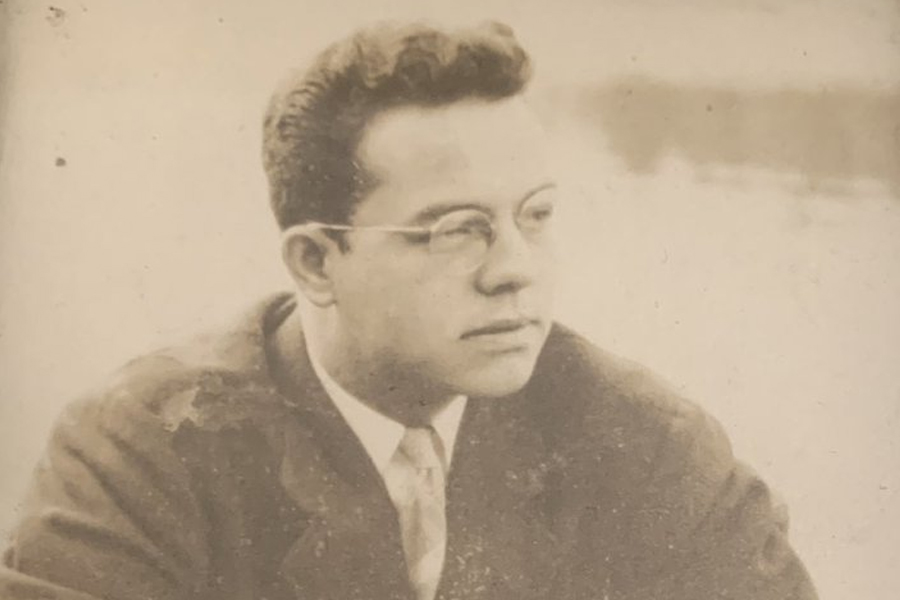
When I look at the life of George Van Norman Whitford, I see a portrait drawn in firm lines and quiet colors. He was born on September 7, 1914, in Denver, Colorado, and died on June 20, 1999, at the age of 84. His story is not one of loud headlines or theatrical public fame. It is something steadier, like a watch kept in the pocket for decades, worn smooth by time. He lived through a century that tested people hard, and he answered with service, work, and family loyalty.
George is remembered in public records as a former vice president of CUNA Mutual Insurance Society, which places him in the world of finance and insurance leadership. That alone suggests a career built on trust, judgment, and responsibility. He also served in the U.S. Army, including wartime service in the Pacific Theatre during World War II, and later military involvement connected to the Korean War era. Those facts give his life a dual shape. One half was business. The other half was duty. Together, they form a strong frame.
The Whitford family line
George Van Norman Whitford was not alone. His family passed along names like lanterns. George Summers Whitford and Kathleen Eleanor Van Norman Whitford were his parents. Their names connect him to an American family background before 1914.
He married Genevieve Louise Smith Whitford, born 1915 and living till 2011. She was his life partner and generational bridge. They married in Cook County, Illinois, on October 9, 1937. That date marks the start of a household whose children and grandkids would become famous.
Bradley and David Summers Whitford were George and Genevieve’s children. Bradley became the most public family member through his acting career and later remarks about his parents. David is also in the family tree, and the brothers continue the Whitford name. Despite not knowing her name, official family references imply that the home had an elder sister. The family shape is evident without the missing piece. A home with multiple children undoubtedly had a full rhythm of sibling life, shared mealtime, and regular days that became remarkable because of who came from them.
A simple family map
| Family member | Relationship to George Van Norman Whitford | Notes |
|---|---|---|
| George Summers Whitford | Father | Born 1870, died 1949 |
| Kathleen Eleanor Van Norman Whitford | Mother | Born 1887, died 1977 |
| Genevieve Louise Smith Whitford | Wife | Born 1915, died 2011 |
| Bradley Whitford | Son | Publicly known actor |
| David Summers Whitford | Son | Public family member |
| Frances Genevieve Whitford | Grandchild | Child of Bradley Whitford |
| George Edward Whitford | Grandchild | Child of Bradley Whitford |
| Mary Louisa Whitford | Grandchild | Child of Bradley Whitford |
| Frank M. Whitford | Brother | Named in genealogy records |
This family structure gives George a wide human footprint. He was not only a husband and father but also a grandfather and brother. Those titles matter because they show how one life spreads outward. A person can be known for a career or for service, but family is the riverbed underneath all of it.
Career, service, and the texture of achievement
I find George Van Norman Whitford especially interesting because his achievements seem practical rather than ornamental. He did not appear to seek the spotlight. Instead, he worked in an executive role with CUNA Mutual Insurance Society, where the title of vice president suggests a significant leadership position. In a company like that, success would have required discipline, clear thinking, and the ability to handle responsibility without drama. That kind of work rarely produces glamour, but it often produces stability. It is the sort of labor that holds institutions together like steel beams hidden inside walls.
His military service adds another layer. Serving in the Pacific Theatre during World War II meant entering a global conflict that demanded endurance and courage. Later service tied to the Korean War era suggests that he remained connected to military life beyond a single moment of national crisis. The record points to a man who understood obligation in more than one form. He knew the demands of public service and the demands of private leadership. That combination is worth remembering.
Genevieve, Bradley, David, and the next generation
Genevieve Louise Smith Whitford stands at the center of the family story beside George. She lived long after him, reaching 2011, and she is remembered in family and public references as a poet and writer. That detail gives the Whitford household a second kind of energy. George’s world seems grounded in business and service, while Genevieve’s presence suggests language, reflection, and expression. Together they formed a marriage that likely balanced structure with imagination.
Their son Bradley Whitford later became well known in entertainment, but he also made public remarks that reveal the emotional center of the family. He spoke of his father as someone who loved his wife and children, worked hard, and was funny and kind. Those words matter more than any formal biography. They describe a man seen from inside the house. They suggest that George was not only an executive or veteran but also a warm and memorable father.
Bradley’s children extend the line further: Frances Genevieve Whitford, George Edward Whitford, and Mary Louisa Whitford. These grandchildren carry names that feel deliberate, almost ceremonial. One can hear the echo of family memory in them. Names in families often function like heirlooms, and here that is especially clear. The Whitford lineage has a sense of continuity, as if each generation is a handoff rather than an ending.
Later years, death, and remembrance
George Van Norman Whitford died June 20, 1999. He was buried at Somerset Cemetery in Hillsdale County, Michigan. That grave completes his life’s obvious path. He reflected the American 20th century by being born in Denver, serving in the military, working in insurance leadership, raising a family, and being buried in Michigan.
I find it most striking that family rather than monuments preserve his memory. The family preserves the story’s tone, while the public record keeps the facts. A son remembers his father. A wife remembers her spouse. A grandfather remembered by his grandchildren. Such is the fate of many lives. Not like fireworks, but like a window lamp left burning.
Timeline of key moments
| Date | Event |
|---|---|
| September 7, 1914 | Born in Denver, Colorado |
| October 9, 1937 | Married Genevieve Louise Smith in Cook County, Illinois |
| 1940s | Served in the U.S. Army in the Pacific Theatre during World War II |
| 1950s | Military Police service associated with the Korean War era |
| 1999 | Served as former vice president of CUNA Mutual Insurance Society and died on June 20 |
| 1999 | Buried at Somerset Cemetery in Hillsdale County, Michigan |
| 2011 | Genevieve Louise Smith Whitford died |
| 2019 and later | Family remembrance continued through public posts and interviews |
FAQ
Who was George Van Norman Whitford?
George Van Norman Whitford was an American businessman, military veteran, husband, father, and grandfather. He was born in 1914 and died in 1999. He is especially remembered as a former vice president of CUNA Mutual Insurance Society and as the father of Bradley Whitford.
Who were his close family members?
His parents were George Summers Whitford and Kathleen Eleanor Van Norman Whitford. His wife was Genevieve Louise Smith Whitford. His children publicly identified in family records include Bradley Whitford and David Summers Whitford. His grandchildren through Bradley include Frances Genevieve Whitford, George Edward Whitford, and Mary Louisa Whitford. His brother was Frank M. Whitford.
What kind of career did he have?
He held an important executive role in insurance and finance, serving as vice president of CUNA Mutual Insurance Society. That suggests a long career built on management, institutional knowledge, and trust. It also points to a life spent in serious professional responsibility rather than public spectacle.
Did he serve in the military?
Yes. He served in the U.S. Army, including service in the Pacific Theatre during World War II. He is also associated with Military Police service during the Korean War era. These details show that his life included sustained military duty as well as civilian leadership.
How is he remembered today?
He is remembered through family records, genealogy, and the public remarks of his descendants, especially Bradley Whitford. His memory lives most strongly through the family branch that continued after him, with grandchildren carrying forward the Whitford name and Genevieve’s names in the family line.