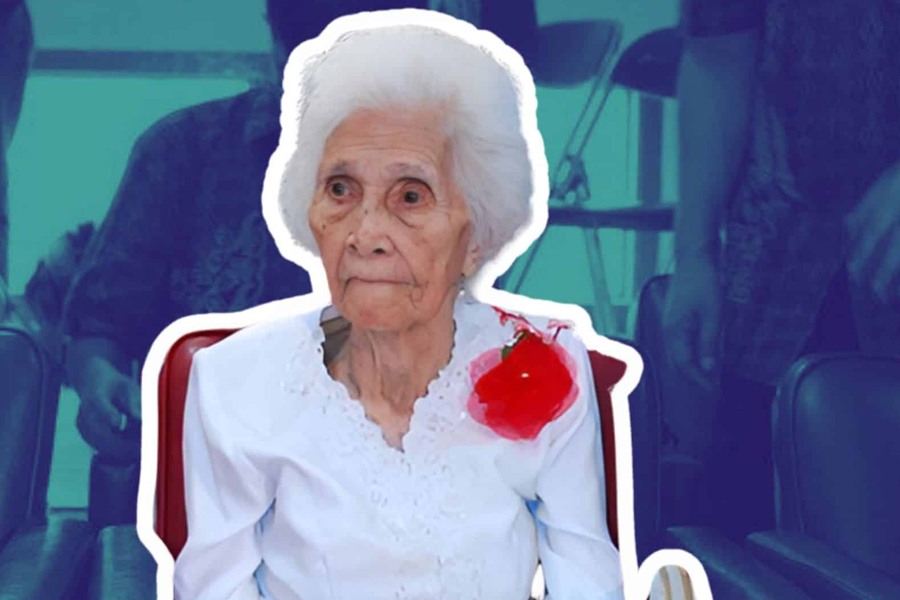
A life remembered through family, not fame
I see Catherine Dowley as one of those people history almost tried to keep in the margins. Her name appears most often beside Maud Lewis, the beloved Nova Scotia folk artist whose painted cats, flowers, and bright little worlds became famous far beyond the marshes and back roads of Digby County. Catherine was born on 13 August 1928, and her life carried the weight of a family story that was both ordinary and dramatic, private and public at the same time. She was not known for a public career or a celebrity presence of her own. Instead, her story is woven through birth records, family memory, adoption, marriage, children, and the long echo of a mother who became a Canadian icon.
What stands out to me is how Catherine Dowley lived in the shadow of a story much larger than herself, yet still had a life that mattered in full human scale. She was a daughter, a wife, a mother, and a descendant in a family line that had both hardship and resilience. Her life reads like a thread pulled through generations.
Her birth and the family roots around her
Catherine Dowley was born 1928 in Nova Scotia. Maud Lewis, born Maud Kathleen Dowley, is her ancestor. That fact put Catherine in the Dowley family before following events changed her account. Maud’s parents were John Nelson Dowley and Agnes Mary German, hence Catherine’s maternal grandparents were rural and struggled.
Catherine’s dad was Emery Allen. He is commonly credited with fathering Maud’s child and then disappearing. That absence matters as much as the name. It explains Catherine’s early separation and her multiple homes and names.
That arrangement is striking. A child is born into love, loss, pressure, and stillness. There begins Catherine’s tale. She grew up in a small-town family with social judgment and survival skills.
Adoption, childhood, and the changing shape of her name
After her birth, Catherine was adopted by Alvin Alexander Crosby and Mary E. Porter, who was also referred to as Mamie Crosby or Mamie Porter in different accounts. Some records suggest she was known as Catherine Crosby during part of her childhood. That change of name feels symbolic, like a door closing and another opening in a house with many rooms.
I think this part of her life is especially important because it shows how identity can be both inherited and assigned. Catherine did not just belong to one family in a simple way. She belonged to a biological family, an adoptive family, and the larger historical family story attached to Maud Lewis. Those layers do not cancel each other out. They overlap like paint on a board, each layer faintly visible through the next.
Her childhood appears in family records more than in personal testimony, which means the details are limited. Still, the outline is clear. She grew up away from Maud, and that distance shaped the rest of the story. In 1950, Catherine reportedly visited her mother, hoping for recognition and reunion. The meeting did not resolve the pain. Maud denied the full truth, and the moment became one of the most haunting episodes in the family history. It is a scene with the emotional force of a winter wind, sharp and impossible to ignore.
Marriage to Paul Muise and the next generation
In 1949, Catherine married Paul Muise in Yarmouth County. That marriage marks a shift in her life from daughter and adopted child to wife and mother. It also moved her further into the ordinary work of building a household, raising children, and making a life beyond the dramatic frame that later storytellers would place around her.
The public family record identifies children named John Alvin Muise, LeRoy Gordon Muise, and Marsha Ann Muise. Other family references also point to descendants through these children. Here, Catherine’s story becomes less about one famous mother and more about the quieter architecture of family life. Children arrived. Names carried forward. A household grew roots.
I find this part of her story meaningful because it restores scale. Not every life must blaze in public to be important. Catherine’s role as a mother places her in a long chain of care and continuity. The line from Agnes Mary German to Maud Lewis to Catherine Dowley and then to Catherine’s children is not just genealogical. It is emotional geography. It shows how memory moves, sometimes unevenly, from one generation to the next.
Catherine Dowley in the wider Maud Lewis story
As one of Canada’s most famous folk artists, Maud Lewis is linked to Catherine. Thus, Catherine is typically discussed as part of a family story that explains Maud’s life. This may be a blessing and a burden. It makes Catherine historical, but it can also reduce her to a supporting character.
Her presence matters. Without Catherine, Maud Lewis’ story is incomplete. Catherine symbolizes the child who existed before the paintings, fame, and rediscovery of Maud’s work. She adds personal depth to the mythology.
Irony exists here. Maud Lewis was recognized for her vibrant, tiny wood and card paintings. In contrast, Catherine’s story is fragmented. While different, both lives are lively. One through painting, the other through family history. One through public art, the other through family architecture.
A simple timeline of her life
I like to think of Catherine’s life in dates because dates keep the story steady.
1928: born in Nova Scotia on 13 August.
1928 to 1929: adopted by Alvin Alexander Crosby and Mary E. Porter.
1931: appears in family records as a young child.
1949: marries Paul Muise.
1950: visits Maud Lewis in an attempt at reunion.
1989: dies in Toronto.
That sequence is brief, but it carries a great deal. Each date is like a nail holding a frame together. Remove one, and the shape of the story starts to wobble.
What I take from her story
What I take from Catherine Dowley’s life is a sense of quiet endurance. She was not a public figure in the usual sense, and she did not leave behind a large visible career record. Yet her life sits at the center of a family history that touches art, abandonment, adoption, marriage, and descendants. That is a full human narrative, even if it is not a famous one.
I also see in her story a reminder that family histories are rarely neat. They are patched, partial, and sometimes painful. Names change. Parents disappear. Children are adopted. Reunions fail. New families form. Life keeps moving like water around stone.
FAQ
Who was Catherine Dowley?
Catherine Dowley was the daughter of Maud Lewis and Emery Allen. She was born on 13 August 1928 in Nova Scotia and later became known in family records as Catherine Muise after marriage.
Why is Catherine Dowley connected to Maud Lewis?
She was Maud Lewis’s child. That connection makes Catherine part of the family history behind one of Canada’s best known folk artists.
Was Catherine Dowley raised by Maud Lewis?
No. Catherine was adopted early in life by Alvin Alexander Crosby and Mary E. Porter. She did not grow up with Maud Lewis.
Who was Catherine Dowley married to?
She married Paul Muise in 1949 in Yarmouth County.
Did Catherine Dowley have children?
Yes. Public family records identify children named John Alvin Muise, LeRoy Gordon Muise, and Marsha Ann Muise.
Where did Catherine Dowley spend her later life?
The public record suggests that after marriage she lived in Ontario and died in Toronto in 1989.
Did Catherine Dowley have a public career?
There is no clear public record of a separate career or major public profession. Her historical visibility comes mainly through family and genealogical records connected to Maud Lewis.
Why does Catherine Dowley matter historically?
She matters because her life helps complete the story of Maud Lewis. She also represents the hidden side of family history, where private lives shape public memory without always receiving the spotlight.